
Victoria
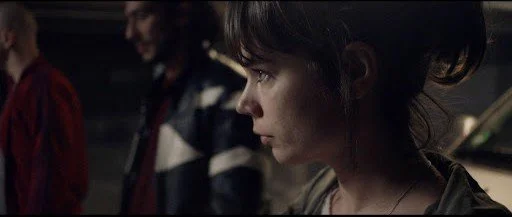
Film Title: Victoria
Year: 2015
Director: Sebastian Schipper
Format: Feature Film (One-Take)
Country: Germany (Berlin)
Runtime: 138 Minutes
In the greyscale streets and underground clubs of Berlin, where night and day merge, Victoria offers more than a crime thriller; it is a freefall in real-time. The story follows a young Spanish woman who meets four local men in a techno club. What begins as a romantic and playful night out gradually—and with terrifying skill—descends into an armed bank robbery and a deadly escape. Sebastian Schipper holds the audience hostage by removing the "cut" entirely, refusing to let us step out of the tension for even a second.
Technically, Victoria is a miracle of image engineering. Cinematographer Sturla Brandth Grøvlen shot the entire film in one true continuous take, but this is far more than a cinematic gimmick; it serves a narrative function. The fluid, handheld camera moves effortlessly from dark, enclosed clubs to open streets, elevators, and rooftops, managing complex lighting changes—from artificial neon to the natural light of dawn—without a single break. The absence of editing means the film's rhythm is controlled entirely by camera movement and acting. The actors manage not just dialogue, but space and time, creating an emotional continuity rare in edited cinema.
“A daring and breathtaking cinematic tightrope walk that obliterates the line between 'watching' and 'experiencing'.”
Ultimately, Victoria is a stunning achievement in modern cinema that puts form at the service of content. It proves that when technique aligns with emotion, cinema can be a visceral, physical experience. For any filmmaker seeking to understand the raw power of the moving image and the endless capacity of Berlin as a character, watching this film is an absolute necessity.